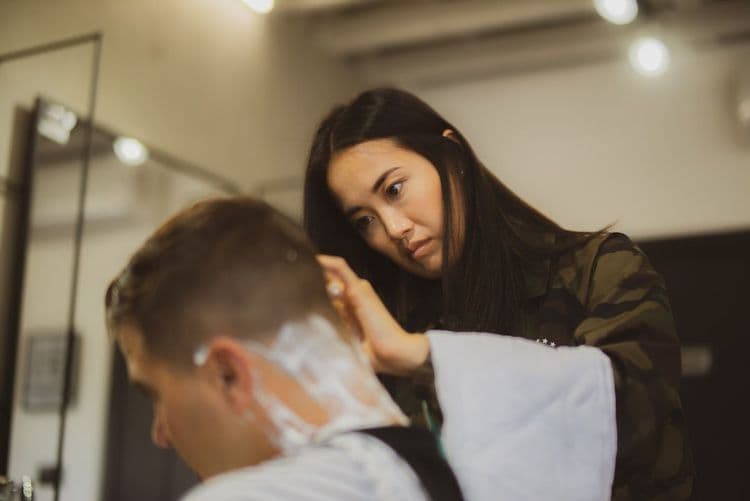
Marlene Lamont, owner of Urban Hair & Beauty and Project Extend Leader for the Fellowship for British Hairdressing, cites mentoring as a critical strategy for both personal career satisfaction and salon development. Her approach focuses on providing apprentices with hands-on client experience while fostering the confidence needed for long-term retention.
Mentoring as a Recruitment Strategy
Many stylists currently working at Urban Hair & Beauty began as apprentices under Lamont's direct supervision. By guiding trainees from their initial entry into the industry through to graduate stylist roles, Lamont converts education into internal promotion. This pipeline reduces the reliance on external recruitment, which often carries significant onboarding costs and cultural risks. When staff members progress through an internal training system, they maintain consistency in brand standards and salon culture.
The Value of Structured Growth
Lamont separates her mentorship into two distinct streams: internal salon training and external industry collaboration via the Fellowship for British Hairdressing. This hybrid model allows apprentices to apply technical skills in a live retail environment while simultaneously broadening their professional network through industry projects. This dual exposure encourages employees to view their role within the wider industry, rather than merely as salon floor staff.
Technical development remains the core of this training, yet Lamont stresses the necessity of celebrating minor progress milestones. Recognising small successes keeps younger staff engaged, particularly during the challenging early stages of a hairdressing career. This feedback loop helps lower turnover rates by making staff feel valued and visible within the business structure.
Building a Resilient Salon Culture
Mentorship functions as a bidirectional exchange in Lamont's experience. While salon owners pass down established expertise, the fresh perspective of new entrants helps maintain an inclusive and adaptive salon environment. Owners who act as mentors gain better insight into the motivations of younger workers, allowing them to refine their management style accordingly. Relying on external mentorship programmes like those offered by the Fellowship also provides an extra layer of professional validation for trainees, which can boost staff morale and increase loyalty to the salon brand.
Successful apprenticeship programmes require more than just task delegation. Business owners should integrate formal mentoring into the weekly salon rhythm. Owners who prioritize clear career paths for their apprentices secure a committed workforce, effectively insulating their business against the broader industry trend of high staff churn.


