While switching off plugs and using eco-friendly towels are common sustainability practices, new initiatives are offering more profound ways for salons to reduce their environmental impact. The hair industry is seeing significant shifts, with 82% of consumers aiming to be environmentally conscious and 59% actively choosing recyclable packaging, according to Mintel's 2022 Sustainability Barometer. This consumer sentiment suggests that embracing innovative eco-friendly practices can directly benefit salon businesses.
Technological advancements are making greener services possible. Revlon Professional's Conscious Balayage technique, for instance, achieves hair dimension without foils, directly cutting down on waste. Similarly, Goldwell's Topchic Zero colour line offers up to 98% biodegradability and climate-neutral production through carbon offsetting, addressing concerns about chemical waste disposal.
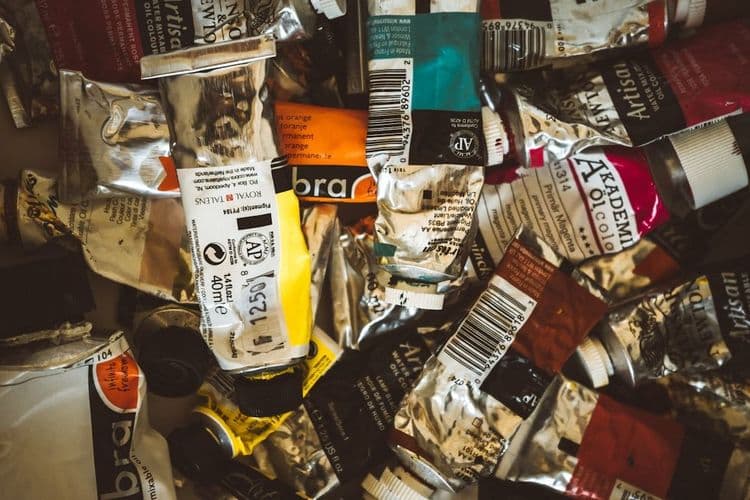
Waste management solutions are also evolving. The Green Salon Collective focuses on recycling specialist salon waste like hair and metals, repurposing hair for oil spills and donating metal recycling profits. They also compost towels and generate energy from chemical waste and PPE. Initiatives like 'Recycle My Salon' tackle aluminium waste from colour tubes, foils, aerosols, and cans, with a partner collection service available nationwide.
The growing 'refill and recycle' movement is entering the salon space. Authentic Beauty Concept introduced refill bars in 2020, using reusable 5-litre containers and pumps. Their refill bottles, made from 90% post-consumer recycled plastics, can be reused at least five times, significantly cutting plastic usage by 83% per client. This offers a tangible way to engage clients in sustainability efforts between appointments.
Addressing product waste is another critical area. An estimated 6 million kg of hair colour is wasted annually by stylists, costing salons approximately £15,000 on average. Vish's chief innovation officer, Tim Howard, highlights that precise colour mixing, rather than using set amounts, not only protects the planet but also improves salon profitability.
Beyond consumables, salons can consider furniture and operational choices. Takara Belmont manufactures durable furniture designed for longevity, with accessible parts and service, reducing the need for frequent replacements. Innovations like L’Oréal Professionnel's Water Saver showerheads can cut water flow at the backwash by up to 69% using fragmentation technology. The industry is also engaging with the ocean plastic problem; Davines and weDo/ have committed to removing plastic from the environment for every product sold, partnering with organisations like Plastic Bank.
Furthermore, the rise of powder-based products, such as L'ANZA's T.R.U.E. Clean Shampoo, reduces shipping weight and carbon footprint by eliminating water. Educational initiatives like Shift Academy and the Net Zero Salon Initiative by Net Zero Now and L’Oréal Professional Products offer tailored plans and training to help salons calculate, track, and reduce their carbon footprint, aiming for certified Net Zero status.


