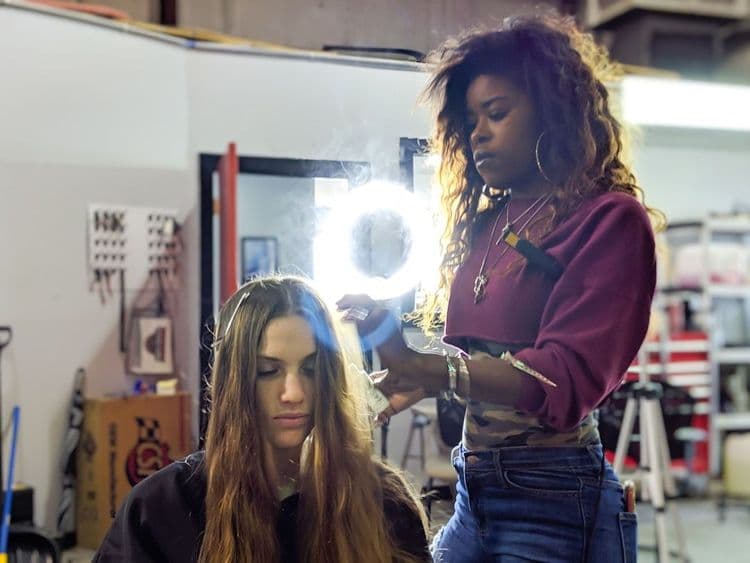
Marlene Lamont’s approach to talent development highlights the apprenticeship model as a core strategy for salon longevity. By integrating trainees into the salon environment from their first day, businesses foster a culture grounded in shared learning rather than just technical instruction.
Apprenticeships offer a unique dynamic for salon owners. While the initial focus remains on fundamental salon duties, the process forces senior stylists to refine their own communication methods and technical explanations. This peer-to-peer exchange challenges established stylists to stay sharp and keeps the salon culture inquisitive.
Beyond Technical Skill
The transition from shampooing and maintenance to supervised cutting and colouring represents a clear path for professional progression. For the salon owner, this provides a structured way to build a team that understands the specific standards and client-care expectations of the brand from the start. Trust-building happens through daily client interaction, which remains as vital to a stylist’s success as their cutting technique.
The Economic and Cultural Reality
Many salon owners view apprenticeships primarily as a training burden. However, the experience at Urban Hair & Beauty suggests that shifting this mindset toward long-term investment changes the outcome. When apprentices are encouraged to ask questions and support one another through their training, they become more than just junior staff; they become invested members of the professional team.
This internal pipeline reduces the reliance on external recruitment, which carries its own costs and integration challenges. By mentoring a new generation, owners effectively create a bespoke workforce that aligns with their salon’s specific pace and service philosophy.
Operational Takeaways
Integrating an apprentice demands a willingness to accept that productivity will fluctuate during the training phase. The gain appears when those apprentices move into graduate roles, bringing with them a deep understanding of salon culture and existing rapport with clients. Owners who successfully manage this process avoid the cycle of frequent hiring and turnover, instead fostering a sustainable environment where staff development drives business growth.


