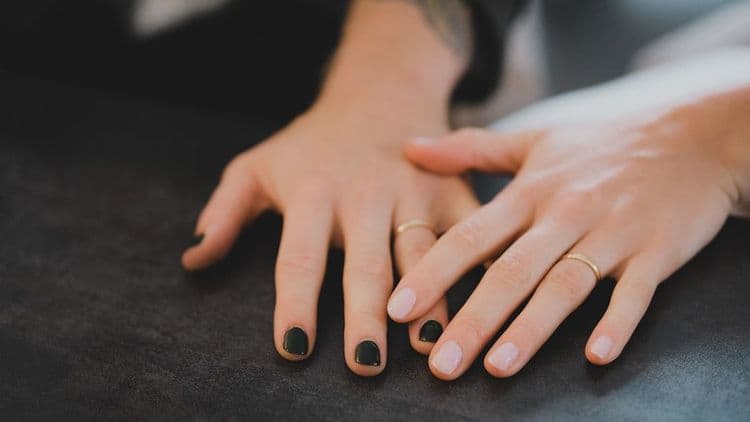
Onycholysis, the separation of the nail plate from the nail bed, can occur through direct trauma, chemical irritation, or heat burns. Nail expert Tracy Anne Shelverton explains that damage to the hyponychium, often from inserting objects under the free edge, creates an entry point for infection. Allergic reactions and excessive heat also cause the nail bed to keratinise, leading to separation.
Marian Newman BEM highlights that improper nail preparation and coating removal contribute to onycholysis. Over-buffing and thinning the nail plate make it susceptible to damage. Clients picking off enhancements further compromises the nail's integrity.
Preventing onycholysis involves careful hygiene and application techniques. Shelverton advises gentle cleaning under the free edge and strict sterilisation of tools. Avoiding heat spikes from incompatible UV lamps and product layers minimises risk. Reducing excessive pressure on the nail during enhancement application is also crucial.
When onycholysis presents, Newman states that all nail coatings must be removed. Shelverton suggests using high-quality cuticle oil beneath the free edge. This increases nail bed elasticity, preventing infection. Severe cases displaying signs of fungal infection, bacterial issues, or inflammation require medical referral.


