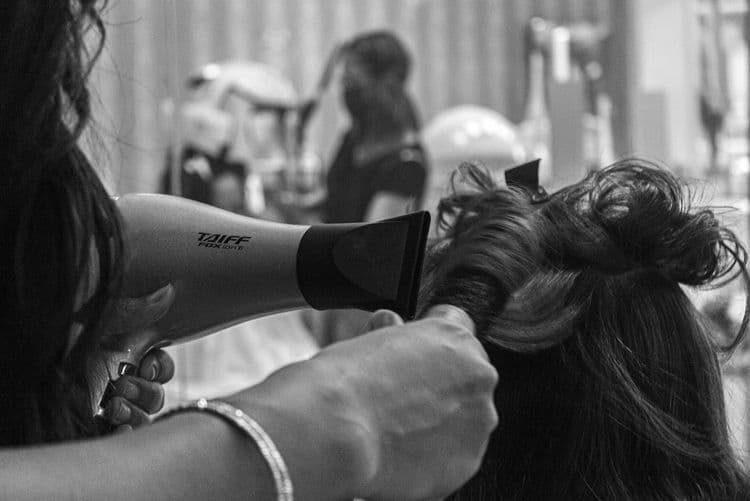
KAM Hair & Body Spa in Lossiemouth celebrates 35 years of operation this year. Founded by Karen Thomson in 1991, the business evolved from a local salon into a destination attracting clients from across the UK.
This longevity offers a blueprint for regional salons looking to sustain growth outside major metropolitan hubs. The business strategy relied on three core pillars: infrastructure expansion, team investment, and brand positioning. In 2014, the salon increased its footprint by adding a spa, additional treatment rooms, and a dedicated hair and make-up bar. This physical growth matched changing client expectations for comprehensive, multi-service appointments.
Human Capital as a Growth Driver
Thomson attributes the salon’s stability to a high-retention staffing model. Beyond standard financial incentives like commission and bonuses, the salon formalised paths for career development. By involving staff in operational decisions, the management ensured the team felt a direct stake in the business trajectory. This inclusive approach reduced turnover, providing the consistency that regular clients demand over three decades.
Navigating Market Evolution
The salon’s history reveals a shift toward specialised brand partnerships to maintain relevance. Joining the Aveda network aligns the business with current sustainability mandates, helping the salon appeal to environmentally conscious consumers. Furthermore, Thomson’s transition into an Aveda Artistic Team member in 2023 shows how owner-leaders can maintain influence by securing high-level roles within global supply chains, rather than just focusing on local chair-time.
The central challenge for any business crossing the two-decade mark is avoiding stagnation. KAM Hair & Body Spa avoided this by treating education as a permanent operational expense rather than a luxury. By consistently placing staff on photoshoots and at educational seminars, the salon kept its creative standards competitive with urban rivals.
For owners managing smaller teams, the lesson is clear: long-term success is rarely about staying the same. Instead, it requires a willingness to periodically renovate the service menu, pivot towards industry-wide trends like cruelty-free beauty, and integrate the team into the decision-making process. Future-proofing a salon business requires constant re-evaluation of both the physical space and the professional development of the staff who operate within it.


