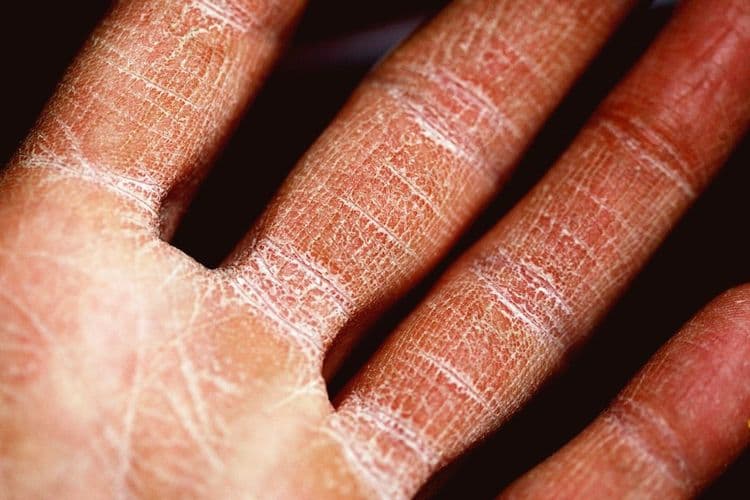
Nail biting, or onychophagia, and skin picking, perionychophagia, are commonly linked to stress, anxiety, and compulsive disorders, according to Lucy Price, Scratch Stars Natural Nail Specialist of the Year for 2023, 2024, and 2025. These habits can lead to infections by breaking the nail's protective seals, resulting in soreness, redness, overgrown cuticles, and short nail beds. Skin picking can also cause calluses, nail plate deformation, and damage to the nail beds.
Jessica Price, OPI Nail Boss, notes that some individuals bite nails to keep hands occupied due to boredom or as a coping mechanism for overwhelming feelings. Fidget tools and cuticle oil massages can help manage these behaviours. Persistent picking may lead to habit-tic, affecting nail growth and causing ridges.
Developing effective treatment plans requires thorough client consultations. Lucy Price emphasises understanding client goals, expectations, maintenance needs, and lifestyle. She suggests taking progress photos at each appointment and scheduling follow-ups to maintain momentum. While gel or acrylic overlays can aid natural nail growth, some clients may find any service breakdown triggers picking. For those with irregular availability, homecare products like cuticle oil, nail strengthener, and a 240-grit file are crucial.
Hannah Clayton, CND™ UK ambassador, highlights that successful outcomes depend on a partnership between technician and client. She advocates for daily keratin treatments like CND RescueRXx™ for at-home use between salon visits. Ashleigh Clements, OPI educator, advises asking clients about their desired achievements, preference for natural nail care or enhancements, and any specific timeframes.
Tanya Jeskins, who offers consultation training, typically initiates a six-week plan to show transformative results and provide a realistic target. Incentives, such as including luxury elements at week three or offering a free IBX service upon completion, can boost client motivation. Jessica Price recommends manicure appointments every one to two weeks to address potential triggers like skin flaps, long nail lengths, or snags, which can prompt further biting and picking.


