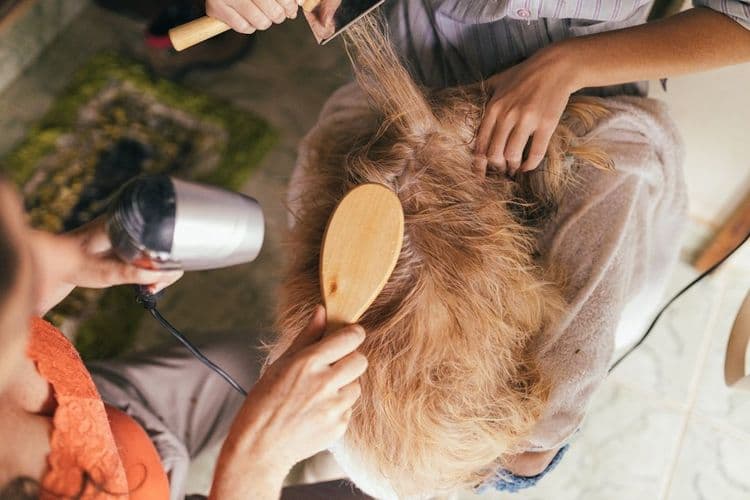
Hair loss is a deeply personal issue for clients, often extending beyond aesthetics to profound psychological impact. Trichologist Anabel Kingsley highlights that stylists are frequently the first port of call when clients notice changes, with research indicating most confide in their hairdresser before anyone else. This places salon professionals on the frontline of support, making accurate identification and informed guidance essential.
Kingsley differentiates three primary types of hair loss: breakage, shedding, and thinning. Breakage occurs along the hair shaft due to external damage like heat styling or chemical treatments, and is directly addressable with strengthening treatments. Shedding, a normal daily loss of up to 100 hairs, becomes a concern when significantly increased. Excessive shedding, known as telogen effluvium, typically stems from internal triggers such as stress, illness, or hormonal shifts, and usually resolves once the trigger is removed. Clients should be advised to consider potential triggers 6-12 weeks prior to the noticeable shedding.
Hair thinning, or androgenetic alopecia, is a gradual, progressive reduction in hair density caused by follicle miniaturisation. This is a genetic and long-term condition, distinct from shedding. Identifying thinning involves looking for a widening parting in women or a receding hairline and crown thinning in men. Unlike shedding, thinning requires ongoing preventative treatment, with clinically proven options like Minoxidil and Finasteride (for men).
The critical skill for salon professionals, Kingsley stresses, is distinguishing between the sudden, diffuse nature of shedding and the slow, patterned progression of thinning. While stylists are not expected to diagnose, they must recognise the signs, offer reassurance, and refer clients to GPs or trichologists when necessary. Understanding these differences allows for immediate clarity, appropriate care recommendations, and proper referral pathways, solidifying the stylist's role as a trusted authority in hair and scalp health.


