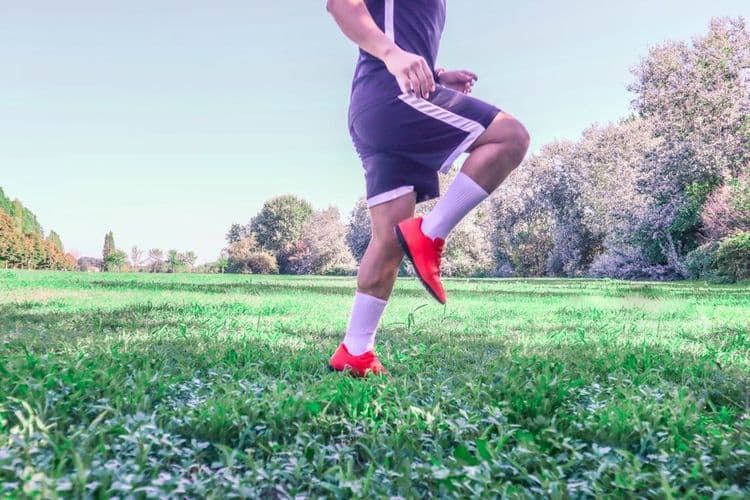
Runners often face significant nail and skin issues, with common complaints including hard skin build-up, ingrown nails, and bruising. Nail educator Rachel Gribble highlights that regular pedicures can maintain foot health and proactively address these prevalent problems.
Podiatric surgeon Ron McCulloch notes that typical runner issues involve thickened or lifted toenails, alongside hard skin, blisters, and corns. In severe instances, infections and athlete’s foot can develop. Brenda Griffin, a footcare specialist, confirms that blackened or bruised nails typically do not need treatment unless painful. Should pain be present, a podiatrist can relieve pressure by drilling into the nail. She also stresses the importance of correct shoe sizing and keeping nails trimmed to prevent these issues.
Ingrown toenails, a frequent concern, can stem from genetic predispositions like wide or curved nail plates, or from footwear, according to McCulloch. He advises cutting nails straight across to mitigate this risk. Similarly, calluses and hard skin can become painful if excessive or mispositioned, necessitating podiatric removal. Griffin suggests softening hard skin with a 15% Urea foot soak before using a foot rasp to ease client discomfort, and referring clients with severe pain to a specialist.
Verrucas, a viral skin condition that can resemble a callus with a distinctive black dot, require specialist attention. Griffin suggests that if a verruca is covered with a plaster, a simple dry treatment like a nail polish service can be offered, provided gloves are worn and the client is referred to a healthcare professional. Cracked heels result from thickened or dry skin losing suppleness. McCulloch recommends quality moisturiser and regular filing. Superficial cracks can be treated, but painful or infected ones require specialist referral, and Griffin warns against using blades.
Blisters, predominantly caused by friction, are fluid-filled pockets that can be painful. Griffin cautions against treating them, as attempting to pop them risks infection. Bunions and corns both demand specialist medical treatment. Cindy Johnson, a chiropodist, identifies running shoes as a breeding ground for athlete’s foot due to humidity, emphasizing dry feet and breathable socks as preventative measures. Griffin adds that pedicurists must be vigilant for athlete's foot, even in subtle cases between toes, and maintain strict hygiene protocols, including disposing of files and sterilising tools, if encountered during a pedicure.


