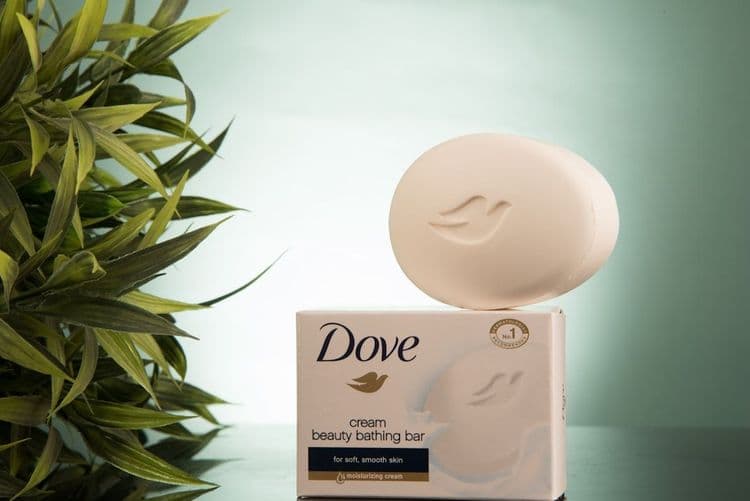
Dove's launch of its first refillable antiperspirant range and AS Watson's commitment to a 21% virgin plastic reduction in own-brand packaging by 2030 signal a continued industry focus on sustainability. Brazil's public consultations on new cosmetics and fragrance packaging rules, alongside Selfridges and MYGroup's nationwide beauty recycling scheme, demonstrate regulatory and retail efforts to address packaging waste.
The beauty retail experience is also evolving. Target expanded its Spring beauty selection, while Boots enhanced its Wellness Zones and staff training. Ulta Beauty introduced Stripes Beauty, and Clarins deployed AI Skin Observer technology for in-store diagnostics, highlighting technology's growing role in customer engagement.
However, the sector is also seeing significant corporate upheaval. Boots CEO Ornella Barra departed after nearly a decade. Suave Brands and Elida Beauty merged into the Evermark platform. Pat McGrath Cosmetics filed for US Chapter 11 bankruptcy, Beauty Bay is exploring a sale, and Malin + Goetz entered UK administration, closing its stores. These events suggest market pressures are driving consolidation and restructuring.
Marketing efforts remain diverse. CeraVe launched a 'Skincident Hotline' campaign, H&M and e.l.f. Cosmetics collaborated on a fragrance, and BYOMA appointed new leadership. LVMH reported steady performance in 2025, contrasting with Aekyung Industrial's profit decline due to restructuring and weak demand. International Paper plans a business split with dual listings in London and New York, indicating broader corporate trends.
Health, wellness, and regulatory compliance are critical. Clinique La Prairie introduced a mental health program, and Procter & Gamble acquired the clean-label brand Wonderbelly. Indonesia's expansion of mandatory halal certification for cosmetics creates new compliance hurdles across the region. Unilever and L'Occitane Groupe made leadership changes and considered strategic moves like a potential US IPO.


